












HYROX has a reputation for being simple: run 1 km, complete a workout, repeat eight times.
No surprises. No changing workouts. No technical judging standards.
And yet, athletes consistently perform below their actual fitness level.
Why?
Not because they’re unfit – but because HYROX punishes small mistakes repeated for
60–90 minutes. The good news: most of them are completely avoidable.
Let’s break down the 5 most common HYROX mistakes – and how to fix them.
What are the most common HYROX mistakes?
The most common HYROX mistakes are:
- starting the race too fast
- wearing inefficient footwear
- underestimating grip fatigue
- poor fueling strategy
- neglecting mental pacing
These small inefficiencies accumulate over the full race and can significantly reduce performance.
1. Wearing the Wrong Shoes (Energy Leak You Don’t Notice)
Footwear is one of the biggest hidden performance factors in HYROX – and one of the most misunderstood.
The race demands:
- 8 km of running
- heavy sled pushes
- lunges
- lateral stability
- turf traction
Most athletes choose either running shoes or training shoes. Both create problems.
The mistake
- Soft running shoes → unstable during sled work and lunges
- Flat gym shoes → inefficient and exhausting over long runs
Either way, you lose energy every kilometer without realizing it.
How to avoid it
HYROX favors hybrid shoes built for mixed demands – stable enough for strength stations but responsive enough for repeated running efforts.
Many athletes switching to HYROX-specific footwear notice reduced leg fatigue late in the
race simply because less energy is wasted stabilizing each step. Purpose-built hybrid
models, like those designed specifically for functional racing environments (such as the
options available in the Qrewo HYROX footwear collection , aim to balance grip, cushioning, and stability – exactly what long-format competitions require.
It’s not about comfort. It’s about efficiency over time.
2. Starting Too Fast (The Universal HYROX Error)
Race atmosphere is electric. Music, lights, adrenaline – and suddenly your first kilometer is
far faster than planned.
It feels effortless.
Until station four.
The mistake
Running at 5K pace instead of sustainable race pace.
The consequences:
- Heart rate spikes early
- Longer recovery between stations
- Massive slowdown in the final third
How to avoid it
Your first run should feel controlled – almost conservative.
A simple rule: If you feel powerful halfway through, you paced correctly.
HYROX rewards discipline more than aggression.
3. Ignoring Grip Strength
Grip failure rarely feels dramatic – it feels like everything slowly becoming harder.
Farmer’s carries slow down. Lunges feel heavier. Wall balls require longer breaks.
You are fine. Your hands are not.
The mistake
- Training big lifts but neglecting forearm endurance
- Using straps too often in training
- Assuming grip will “hold up”
HYROX punishes weak grip because fatigue accumulates continuously.
How to avoid it
Simple rule: if your grip fails before your legs during carries, grip endurance is limiting your performance.
Train grip intentionally:
- Farmer carries after runs
- Dead hangs
- High-rep kettlebell holds
- Longer unbroken sets
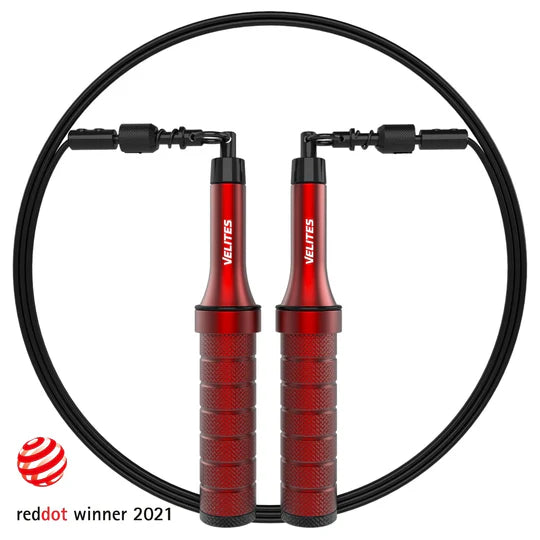
Equipment also plays a bigger role than many expect. Modern functional fitness grips reduce unnecessary forearm fatigue by improving friction and hand protection without over-relying on chalk. Well-designed grips – like those built specifically for hybrid racing and functional workouts – help maintain control during carries and high-rep work while preventing hotspots and tearing that can ruin pacing late in the race.
4. Energy Crashes Late in the Race
HYROX is long enough to drain your energy stores, but intense enough that your body burns fuel quickly the entire time. That combination catches many athletes off guard.
A lot of people start HYROX properly trained – but not properly fueled – and only realize it when their energy suddenly drops in the later stages.
The mistake
- Low carbohydrate intake before training / racing
- No supplementation strategy
- Hydration without electrolytes or performance support
Most HYROX athletes begin to feel energy drops between stations 5 and 7 if fueling is inadequate.
Not because fitness disappears – but because fuel does.
How to avoid it
Treat HYROX like an endurance event with strength elements.
Focus on:
- Carb-focused meals before training / race day
- Stable energy availability
- Supporting recovery between efforts
Some athletes incorporate endurance-focused supplements designed to support sustained energy production, buffering fatigue, and improving recovery during repeated high-intensity efforts. Products developed specifically for endurance performance – like those found in the our Xendurance range – are commonly used to help maintain output deeper into long competitions without relying on stimulants alone.
The goal isn’t a sudden boost.
It’s avoiding the slow fade.
5. Forgetting the Mental Game
HYROX isn’t unpredictable – and that’s exactly why it’s hard.
You always know what’s next.
Fatigue becomes psychological long before it becomes physical.
The mistake
Only training when motivation is high.
How to avoid it
Build familiarity with discomfort:
- Longer continuous sessions
- Fixed pacing workouts
- Finishing sessions when quitting feels logical
Mental resilience in HYROX is trained exposure, not motivation.
Final Thoughts: HYROX Performance Comes Down to the Details
Most athletes don’t lose performance because they lack fitness.
They lose it through small inefficiencies:
● energy leaks from poor footwear,
● unnecessary grip fatigue,
● avoidable energy crashes,
● pacing mistakes that compound over time.
None of these mistakes are dramatic on their own – but together, they can define your
HYROX experience.
The athletes who progress fastest in HYROX aren’t always the strongest or the fastest.
They’re the ones who remove friction wherever possible: in their pacing, preparation,
equipment, and mindset.
Why do athletes perform worse in HYROX races than in training?
Because HYROX punishes small inefficiencies repeated over long durations. Poor pacing, grip fatigue and inefficient equipment accumulate over the full race.
What is the biggest mistake in HYROX racing?
Starting too fast is the most common mistake. Early pacing errors lead to heart rate spikes and significant fatigue later in the race.
Because in HYROX, success rarely comes from doing more!


